
Creating a More Efficient and Functional Home
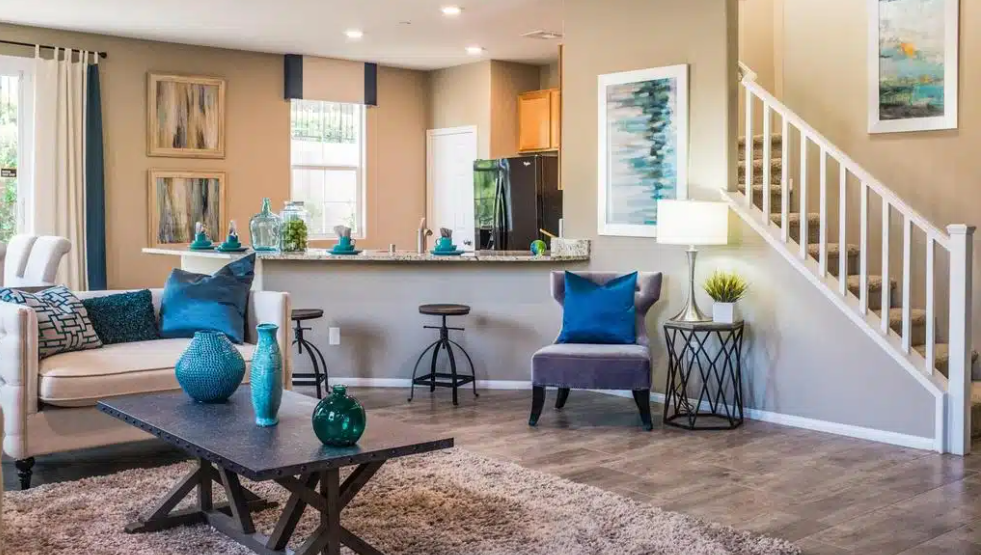
Home improvement is often viewed through the lens of appearance, but a truly useful home should work well as well as look attractive. A beautiful room can still be frustrating if storage is limited, lighting is poor, maintenance is neglected, or energy is being wasted. Functional improvements focus on making everyday activities easier while helping the property remain comfortable and dependable.
A thoughtful approach does not require homeowners to renovate every room simultaneously. Instead, improvements can be selected according to daily needs, available space, budget, and the condition of important household systems.
Identify the Biggest Problems First
The first step toward a successful improvement project is observation. Spend time noticing what causes inconvenience during an ordinary day.
Perhaps the entryway becomes cluttered, the kitchen lacks preparation space, a bedroom has insufficient storage, or a particular room feels uncomfortable during extreme weather. These observations can reveal which projects will have the greatest practical effect.
It is also important to distinguish maintenance from decoration. A leaking pipe, damaged roof area, electrical concern, or serious moisture problem should not be treated as a cosmetic issue. Regular maintenance helps catch small problems before they develop into larger repairs.
Turn Unused Space Into Useful Space
Many homes contain areas that are rarely used efficiently. A wide hallway may accommodate a narrow console and storage baskets. An empty wall can become a useful shelving area. A corner of a home office may hold vertical organizers for documents and equipment.
The goal is not to fill every empty space. Open areas can make a home feel more comfortable. Instead, look for locations where storage or furniture can be added without interfering with movement.
Vertical organization is particularly useful in compact rooms because it can increase storage capacity while preserving floor space.
See also: Tylurs com
Improve the Kitchen Without a Full Remodel
The kitchen is one of the busiest areas in many homes, but improving it does not necessarily mean replacing every cabinet and appliance.
Small changes can include installing better drawer organizers, improving task lighting, updating handles, adding a useful backsplash, or creating a dedicated area for frequently used appliances.
Before buying new equipment, consider whether the current layout creates unnecessary movement. Moving commonly used items closer to preparation areas can make cooking and cleaning more convenient.
Create Better Outdoor Areas
Outdoor spaces can become an extension of the home when they are designed for practical use. A small patio, balcony, courtyard, or garden can be improved with comfortable seating, suitable lighting, shade, and organized plant areas.
Landscaping can also influence indoor comfort. Properly selected plants and shade can help modify the environment around a home, while climate-appropriate landscaping may require less maintenance. The U.S. Department of Energy notes that thoughtful landscaping can provide shade and wind protection and may contribute to lower heating and cooling needs.
Consider Energy-Efficient Improvements
Energy efficiency is another area where practical improvements can benefit everyday living. Homes may lose energy through inefficient appliances, poor insulation, air leaks, or outdated heating and cooling equipment.
Homeowners can begin by identifying where the largest energy demands occur. Government energy guidance recommends targeting major sources such as heating, cooling, hot water, and appliances rather than making random upgrades.
Simple measures such as sealing noticeable drafts, maintaining equipment, improving lighting, and choosing efficient appliances when replacements are needed can form part of a longer-term improvement plan.
Choose Durable Materials
When replacing flooring, countertops, fixtures, doors, or other household features, appearance is only one factor to consider. Durability, maintenance requirements, cleaning needs, and suitability for the room should also influence the decision.
A material that looks impressive but requires constant maintenance may not be practical for a busy household. Durable options can sometimes cost more initially, but the right choice should be evaluated according to expected use and long-term maintenance.
Keep a Home Improvement Record
Maintaining a simple record of repairs and upgrades can make future planning easier. Record the date of major maintenance, replacement of important equipment, paint colors, appliance information, and other useful details.
This information can help homeowners remember when systems were serviced and what materials were previously used. It also makes future projects easier to organize.
Conclusion
A functional home is created through many thoughtful decisions rather than one dramatic renovation. Improving storage, reorganizing rooms, maintaining important systems, upgrading energy efficiency, and making outdoor areas more useful can all contribute to a better living environment.
The most sustainable approach is to prioritize genuine needs, work within a realistic budget, and complete projects at a manageable pace. With careful planning, even modest improvements can make a home more comfortable, efficient, and practical for everyday life.
One Comment